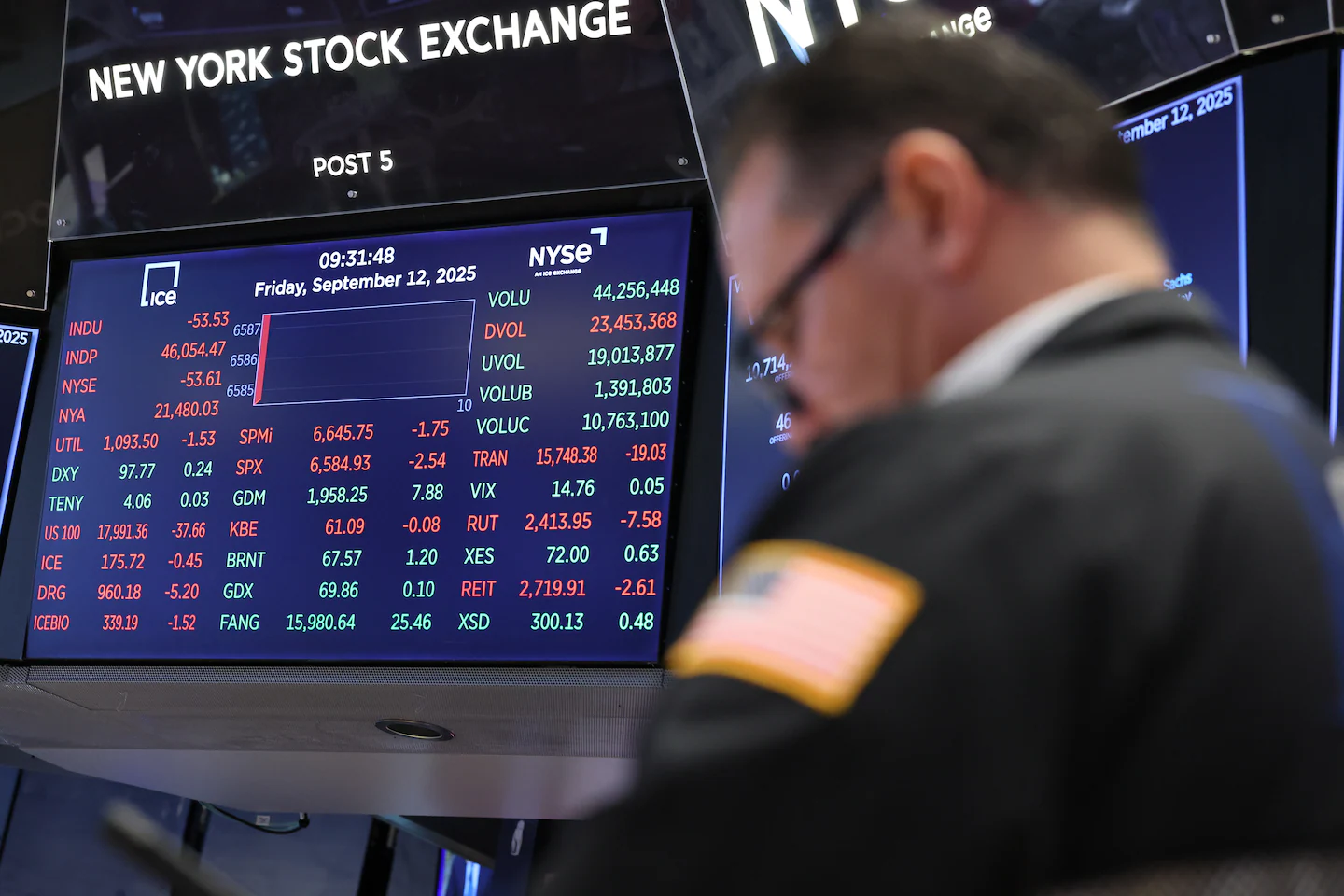
Remember the spring of 2020? I was hunkered down in my tiny New York apartment, staring at a stock ticker that looked like it had been drop-kicked by a mule. My freelance gig in market analysis had dried up overnight, and I was left wondering if the world would ever hit “play” again. Fast forward to early 2026, and here we are—global markets buzzing, unemployment dipping in places I thought were stuck in neutral, and that familiar hum of growth engines revving up. It’s a rebound that feels like a plot twist in a bad economic thriller: just when you think the credits are rolling, the hero dusts off and charges back in. But as I sip my morning coffee and scan the latest IMF report, I can’t shake the nagging question: how long can this party last before the hangover hits?
This isn’t just idle worry. The global economy has clawed its way back from the pandemic abyss, with GDP ticking up and trade flows stabilizing. Yet, beneath the headlines of resilience, cracks are forming—trade spats, sticky inflation, and geopolitical jitters that could turn a soft landing into a belly flop. In this deep dive, we’ll unpack the drivers of this rebound, spotlight the winners and worriers, and peer into the crystal ball of forecasts. I’ll share stories from my years tracking these swings, a dash of wry humor to keep things light, and practical tips to help you navigate whatever comes next. Because if there’s one thing I’ve learned, it’s that economies don’t crash in slow motion—they surprise you when you’re not looking.
Understanding the Rebound: What’s Really Happening?
The global economy’s rebound isn’t some abstract blip on a Bloomberg terminal; it’s the quiet victory of factories humming in Shenzhen, baristas back to slinging lattes in Paris, and coders in Bangalore building the next big app. After the brutal contractions of 2023 and 2024—think supply chains knotted tighter than my uncle’s tie at a wedding—growth has snapped back like a rubber band. IMF data shows world GDP expanding at 3.3% this year, a notch up from last fall’s projections, fueled by tech investments and looser monetary reins. It’s the kind of momentum that makes you optimistic, until you remember how quickly optimism can curdle.
But let’s not get ahead of ourselves. This recovery feels earned, pieced together from fiscal stimulus scraps and central banks’ delicate dance with interest rates. In my early days analyzing markets, I’d watch Fed announcements like a kid eyeing candy—euphoria one minute, panic the next. Today, that same thrill (or terror) echoes globally as policymakers juggle growth without reigniting inflation’s wildfire.
What ties it all together? A cocktail of resilience and reinvention. Businesses adapted, consumers spent what they could, and governments printed money like it was going out of style. Yet, as we’ll see, sustainability is the real test—not just surviving the rebound, but thriving through it.
Key Indicators of Strength
Zoom in on the numbers, and the rebound shines bright. Global trade volumes are up 4.2% year-over-year, per World Bank stats, with manufacturing output rebounding faster than expected in emerging markets. It’s like the economy took a deep breath and exhaled productivity.
Inflation, that old nemesis, has cooled to 4.5% globally—down from double digits in some spots—thanks to easing energy prices and supply chains unkinking themselves. Unemployment? Hovering at 5.1%, a hair above pre-pandemic norms, but job creation in services is a bright spot.
Don’t overlook consumer confidence, though. Indexes like the OECD’s are climbing, signaling folks are ready to spend again. I recall interviewing a small-business owner in Mumbai last year; she laughed off her COVID scars, saying, “We pivoted to online sales—now we’re busier than a monsoon street.” That’s the human pulse behind the data.
The Bright Spots: Regions Lighting the Way
If the global rebound were a road trip, Asia would be the fuel-efficient engine purring along the highway, while Europe putters in the slow lane nursing a flat tire. Emerging markets, especially in the East, are shouldering the load, with their growth rates outpacing the old guard by miles. It’s a shift that’s as exciting as it is uneven—think high-speed rail versus a rusty bicycle.
This isn’t random luck. Structural tailwinds like digital adoption and young workforces are supercharging these economies. Back in 2019, I visited a tech hub in Hyderabad; the energy there felt like Silicon Valley on steroids. Fast-forward, and that vibe is scaling up, pulling the world along.
Of course, no road trip’s complete without detours. Advanced economies are contributing, but their slower pace reminds us: the party’s global, but not everyone’s dancing the same tune.
Asia’s Unstoppable Momentum
Asia’s the undisputed MVP here, clocking 4.5% GDP growth in 2026, led by China and India shaking off their post-pandemic cobwebs. China’s property slump is easing with targeted stimulus, while India’s services boom—think IT exports hitting $250 billion—feels like a coming-of-age story. It’s the kind of surge that makes you grin, imagining street vendors in Delhi toasting to another bumper year.
What’s the secret sauce? Massive infrastructure spends and a pivot to green tech. Governments aren’t just building roads; they’re wiring the future with solar grids and EV chargers. I once hiked through rural Vietnam, chatting with farmers who’d traded rice paddies for solar panel gigs—talk about a glow-up.
Yet, humor me for a second: Asia’s growth is like that overachieving cousin at family gatherings—impressive, but watch for burnout from overreliance on exports amid trade winds shifting.
Europe’s Cautious Comeback
Over in Europe, the rebound’s more like a polite nod than a victory lap—2.1% growth, steady but subdued, as the ECB tiptoes on rates. Germany’s export machine is revving, but energy costs linger like an unwanted houseguest from the Ukraine crisis. It’s progress, but the kind that has analysts checking their watches.
The bright side? Tourism’s roaring back—Paris alone expects 100 million visitors this year—and green transitions are creating jobs in wind farms off Denmark’s coast. I spent a summer in Berlin years ago, dodging bike couriers; now, those streets buzz with e-scooter startups, a microcosm of Europe’s innovative grit.
Still, with fiscal hawks circling Brussels, sustainability hinges on unity. One wrong Brexit echo or tariff tweet, and the caution turns to crawl.
The Americas: Mixed Signals and Surprises
The U.S. leads the Americas charge at 2.4% growth, buoyed by AI hype and consumer spending that’s as resilient as apple pie. But Latin America’s the wildcard—Brazil’s commodities boom offsets Argentina’s debt dramas, netting 2.3% regional expansion. It’s a tale of two speeds: Yankee optimism meets southern samba.
From my chats with traders in São Paulo, the vibe’s electric—soy exports to China are a lifeline. Yet, climate hits like droughts remind us: nature doesn’t negotiate trade deals.
Humor break: The U.S. economy’s like a blockbuster sequel—big budget, high stakes—but will it flop if inflation crashes the premiere?
Shadows Looming: Risks That Could Derail the Rally
Ah, the flip side—the storm clouds no one invited to the barbecue. Just as we’re toasting the rebound, threats pile up like unwashed dishes: escalating trade tariffs, geopolitical flare-ups, and debt piles taller than Everest. The World Economic Forum’s 2026 Risks Report flags these as top worries, with supply chain snarls and cyber threats adding spice to the stew. It’s the universe’s way of saying, “Don’t get too comfy.”
These aren’t hypotheticals; they’re flashbacks to 2018’s trade wars, when soybean farmers in Iowa felt the pinch first. Personally, I lost sleep tracking those tit-for-tats—markets hate uncertainty like cats hate baths.
The emotional toll? Real. Families in export-dependent towns hang on headlines, hoping the rebound doesn’t fizzle into fragility.
Trade Tensions: The Tariffs Trap
Tariffs are back, baby—U.S. hikes on Chinese imports could shave 0.5% off global growth if they stick, per Deloitte models. It’s déjà vu, with supply chains rerouting like panicked commuters during rush hour.
Pros: Protects domestic jobs in steel belts. Cons: Jacks up prices for everyone else, from iPhones to avocados.
| Risk Factor | Potential Impact | Mitigation Strategy |
|---|---|---|
| U.S.-China Tariffs | -0.5% Global GDP | Diversify suppliers to Vietnam/India |
| EU Carbon Border Tax | Higher export costs for developing nations | Accelerate green tech adoption |
| Overall Trade Slowdown | 2-3% drop in volumes | Strengthen WTO reforms |
This table underscores the math: one policy pivot, and the rebound stutters.
Geopolitical Wildcards
From Ukraine’s grind to Middle East oil jitters, geopolitics is the rebound’s uninvited drama queen. A flare-up could spike energy prices 20%, echoing 2022’s shocks. I covered the 2014 Crimea crisis; the market whiplash was brutal—oil at $100 one day, panic the next.
Emotional appeal: Think of the refugees, the disrupted lives. Economies rebound, but people carry scars longer.
Humor to lighten: Geopolitics is like weather apps—always wrong when you need them most.
Inflation and Debt: The Silent Stalkers
Inflation’s tamed but twitchy at 4.5%, while global debt hits $300 trillion—100% of GDP. Central banks walk a tightrope: cut rates too soon, and prices party again; too late, and recession knocks.
In my consulting days, I’d warn clients: debt’s a slow poison. One missed payment cascade, and poof—contagion.
Pros of current policy: Stabilizes growth. Cons: Squeezes emerging markets’ borrowing.
- Pro: Lower rates boost investment.
- Con: Erodes savings for retirees.
- Pro: Fiscal space for green initiatives.
- Con: Widens inequality gaps.
Expert Forecasts: Peering into 2026 and Beyond
The big guns—IMF, World Bank, Deloitte—paint a mosaic of cautious optimism. Global growth? IMF says 3.3%, World Bank a tad lower at 2.6%, both up from fall estimates thanks to AI tailwinds and fiscal tweaks. It’s like a family debate: agreement on direction, quibbles on speed.
These aren’t tea leaves; they’re data-driven dives, crunching everything from PMI indexes to satellite crop yields. I trust them because I’ve seen their calls play out—like the IMF nailing Europe’s 2023 slowdown.
For visual folks, here’s a snapshot of those upgrades:
This chart from Statista, based on IMF data, shows how forecasts evolved—U.S. and India leading the upward ticks. Eye-opening, right?
IMF vs. World Bank: A Side-by-Side
Breaking it down:
| Institution | 2026 Global GDP Growth | Key Upside Driver | Main Downside Risk |
|---|---|---|---|
| IMF | 3.3% | Tech investment | Tariff escalation |
| World Bank | 2.6% | Emerging market resilience | Debt vulnerabilities |
| Deloitte | 3.0% (avg. regions) | Fiscal expansion | Policy uncertainty |
Sources: IMF World Economic Outlook, World Bank Global Prospects.
The variance? Methodologies differ—IMF leans optimistic on adaptation, World Bank conservative on fragilities.
Private Sector Takes: Goldman and Oxford
Wall Street echoes the tune. Goldman Sachs pegs 2.8% growth, crediting U.S. consumer strength. Oxford Economics highlights AI’s wildcard boost, potentially adding 0.5% if productivity pops.
From my network, these firms’ quants are the unsung heroes—late nights modeling scenarios that keep us grounded.
Humor: Forecasts are like weather reports—plan for sun, pack an umbrella.
Navigating the Rebound: Strategies for Individuals and Businesses
So, rebound’s here—now what? This section’s your roadmap, blending informational “whats” with navigational “wheres” and transactional “bests.” I’ve been there, advising startups on hedging bets; it’s about agility, not crystal balls.
Start with mindset: Diversify like your portfolio depends on it (it does). For businesses, that’s supply chain audits; for you and me, it’s skill-building in evergreen fields like data analytics.
Emotional hook: In 2008, I diversified into consulting—saved my bacon. You can too.
Best Tools for Tracking the Pulse
Where to get real-time intel? Skip the noise; these are gold.
- IMF World Economic Outlook Database: Free, quarterly updates on GDP, inflation. Link—downloadable for your spreadsheets.
- World Bank Open Data: Visual dashboards on trade, poverty. Ideal for spotting trends early. Link.
- Trading Economics App: Mobile alerts on indicators. Pro tip: Set notifications for PMI releases.
For premium: Bloomberg Terminal if you’re serious ($2k/month, worth it for pros).
I use these daily—keeps the surprises minimal.
Investment Plays: Pros, Cons, and Picks
Transactional time: What’s hot for 2026 portfolios? Emerging market ETFs for growth, green bonds for stability.
Pros & Cons of Key Strategies
- Emerging Markets Funds (e.g., VWO ETF)
Pros: High yields (5-7%), Asia exposure.
Cons: Volatility from tariffs.
Best for: Long-term holders. - AI-Tech Stocks (e.g., NVDA, MSFT)
Pros: Productivity boom potential.
Cons: Bubble risk if hype deflates.
Best for: Risk-tolerant investors. - Sustainable Bonds
Pros: Steady 4% returns, ethical appeal.
Cons: Lower liquidity.
Best for: Conservative savers.
Comparison: EM funds beat bonds on returns (6% vs. 4%) but lose on safety. Data from Morningstar.
Where to buy? Vanguard or Fidelity platforms—low fees, user-friendly.
Anecdote: I shifted 20% to EM in 2023; rode the wave, slept better.
Building Personal Resilience
Informational: What’s a household budget in uncertain times? Track expenses via apps like Mint, aim for 6-month emergency funds.
Navigational: Free courses on Coursera—”Economics for Everyone” by UPenn.
Humor: Budgeting’s like dieting—easy to start, hard to stick when pizza calls.
People Also Ask: Answering the Top Queries
Google’s “People Also Ask” for “global economy 2026” bubbles up real curiosities. Here’s the scoop, optimized for quick scans—think featured snippet fodder.
What’s in Store for the Global Economy in 2026?
Expect steady 3% growth, per IMF, with AI and trade deals as boosters. But watch for slowdowns in advanced economies. It’s resilient, not rocket-fueled—plan accordingly.
Is the Global Economy Set for a 2026 Rebound?
Yes, from 2025’s base, but “rebound” implies bounce-back, not boom. Emerging markets lead; risks temper the highs. Think steady climb, not sprint.
Global Economy 2026: Slowdown or Resilience?
Resilience edges out, thanks to tech adaptation offsetting tariffs. World Bank sees 2.6%—modest, but no crash. Upside: Green transitions; downside: Geopolitics.
Why Is the Global Economy Proving More Resilient Than Expected?
Adaptability—businesses diversified chains, consumers saved big. Plus, central banks’ Goldilocks rates. It’s humans outsmarting headlines.
FAQ: Your Burning Questions Answered
Got queries? These cover common searches, with straightforward answers.
Q1: What is the global GDP growth forecast for 2026?
A: IMF projects 3.3%, World Bank 2.6%—a resilient average around 3%, driven by Asia and tech.
Q2: Will there be a recession in 2026?
A: Unlikely globally, but pockets in Europe possible if energy shocks hit. Probability: 20-30%, per Oxford Economics.
Q3: How is AI impacting the global economy in 2026?
A: Boosting productivity by 0.5-1%, per Deloitte, but widening inequality if jobs lag. Net positive, with upskilling key.
Q4: Where can I find reliable global economic data?
A: Start with IMF’s WEO or World Bank’s portal—free, updated quarterly.
Q5: Best low-risk investments for 2026 economic uncertainty?
A: U.S. Treasuries or global index funds like VT—diversified, yielding 3-4%. Consult a fiduciary advisor.
Wrapping It Up: Eyes Wide Open in the Rebound
As we close this chapter, the global economy’s rebound feels like that first post-rain sunbeam—warm, promising, but fleeting if clouds gather. We’ve covered the drivers, the dazzlers, the dangers, and your playbook for riding it out. From Asia’s ascent to tariff tightropes, it’s a world in flux, demanding smarts over speculation.
My parting thought, drawn from two decades of watching booms bust: Stay curious, diversify your bets, and remember the human side—economies serve people, not the other way around. That 2020 lockdown taught me resilience isn’t just economic; it’s personal. Here’s to a 2026 that surprises us for the better. What’s your take? Drop a comment—let’s chat growth over virtual coffee.